
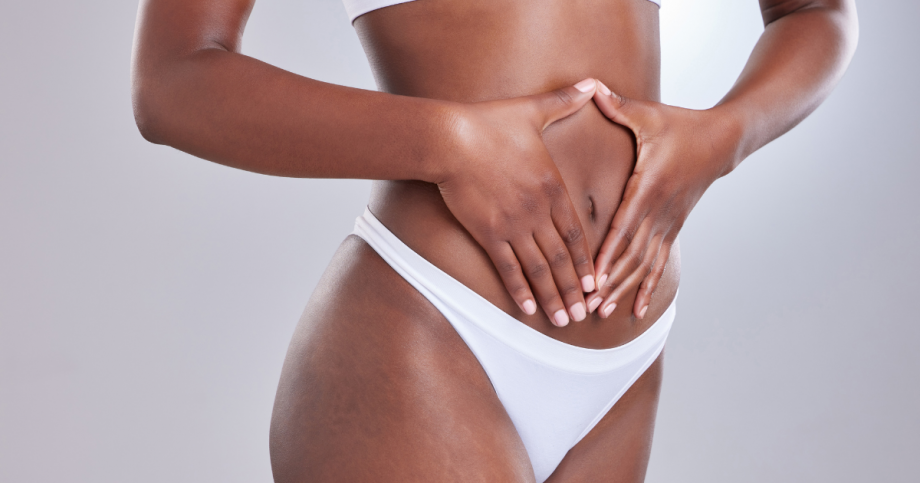
Tummy Tuck Before and After a C-Section: What to Expect
Key Takeaways
- A tummy tuck after a C-section can address loose skin, muscle separation, and improve the appearance of a C-section scar
- Results vary, but most patients see a flatter, firmer abdominal contour and a more refined waistline
- Timing matters—patients are typically advised to wait at least 6–12 months after a C-section before surgery
- A tummy tuck can often remove or reposition the C-section scar, placing it lower on the abdomen.
- Ideal candidates are in good health, at a stable weight, and have finished having children
- Recovery takes several weeks, with full results developing over a few months
- While results can be long-lasting, future pregnancies or weight changes may affect outcomes
Pregnancy changes the body in ways that don’t always reverse with time, exercise, or diet. For many women, a C-section adds another layer: leaving behind loose skin, stretched abdominal muscles, and a visible scar across the lower abdomen.
A tummy tuck after a C-section, also known as abdominoplasty, is designed to address these concerns in a single procedure. It removes excess skin, tightens the abdominal wall, and often improves the appearance and placement of the existing C-section scar.
The goal is a smoother, more balanced abdominal contour that better reflects how you feel in your body.
If you’ve been searching for tummy tuck before and after C-section results, you’re likely trying to understand what’s realistic. This guide walks through the changes that occur after a C-section, what a tummy tuck can improve, and what to expect at each stage. Here’s what we’ll cover:
- How a C-section affects the abdominal area
- What a tummy tuck can and cannot fix
- Realistic before-and-after results
- When it’s safe to have surgery after a C-section
- Who makes a good candidate
- What to expect with scarring and recovery
What Changes After a C-Section?
A C-section is a major abdominal surgery. It affects more than just the skin’s surface. The procedure involves multiple layers of the abdomen, which is why many post-pregnancy changes don’t fully resolve on their own.
During a cesarean birth, an incision is made through the abdominal wall. While the muscles are typically separated rather than cut, the area still requires time to heal and recover.
After a C-section, most patients notice a combination of structural and surface-level changes.
Loose Skin and “C-Section Shelf”
As the skin stretches during pregnancy, it doesn’t always return to its original elasticity. This can lead to loose or hanging skin, often concentrated around the lower abdomen.
In some cases, a small fold develops above the scar, commonly referred to as a “C-section shelf.”
Muscle Separation (Diastasis Recti)
Pregnancy commonly causes the abdominal muscles to separate, a condition known as diastasis recti.
This separation happens along the midline of the abdomen and can lead to a visible bulge or weakened core. Exercise may help improve strength, but in many cases, it does not fully close the gap.
C-Section Scar and Scar Tissue
A C-section leaves a permanent scar across the lower abdomen. While scars often fade over time, healing may take months and can affect the overall contour of the abdomen as tissue tightens or settles unevenly.
Scar tissue beneath the surface can also contribute to firmness, pulling, or asymmetry.
Stubborn Fat Deposits
Hormonal shifts during and after pregnancy can change how the body stores fat. The lower abdomen is a common area where fat becomes more resistant to diet and exercise, even with consistent effort.
What a Tummy Tuck Can Improve
A tummy tuck after a C-section is designed to address the specific changes that occur during pregnancy and surgery.
It focuses on restoring structure to the abdominal wall and improving overall contour, rather than serving as a weight-loss procedure. While results vary, the procedure consistently targets a few key areas.
Excess Skin and Abdominal Contour
A tummy tuck removes loose, stretched skin that does not respond to diet or exercise. This is often most noticeable in the lower abdomen, especially around the C-section scar.
By removing this excess skin, the abdomen appears flatter and more proportionate to the rest of the body.
Muscle Separation (Diastasis Recti)
During the procedure, the surgeon can repair separated abdominal muscles by bringing them back together along the midline.
This helps restore core strength and create a firmer, better-supported abdominal wall. For many patients, this is a major part of the transformation seen in tummy tuck before-and-after C-section results.
C-Section Scar Improvement
In many cases, a tummy tuck can remove or reposition the existing C-section scar. The new incision is typically placed lower on the abdomen.
This allows it to be more easily concealed beneath underwear or swimwear. While a scar will still be present, it is often smoother and less noticeable than the original.
Stubborn Fat in the Lower Abdomen
A tummy tuck may be combined with liposuction to address localized fat deposits that are resistant to diet and exercise. This helps refine the overall shape of the abdomen and improve definition.
Note that this is not a substitute for weight loss, but rather a way to enhance contour in targeted areas.
What About a Mommy Makeover?
While a tummy tuck focuses on the abdomen, some patients choose to address multiple post-pregnancy concerns at once. In these cases, a mommy makeover may be recommended.
A mommy makeover typically combines procedures like a tummy tuck, breast lift or augmentation, and liposuction into a single treatment plan. This approach allows for more comprehensive post-pregnancy body contouring, especially for patients looking to restore both the abdomen and upper body.
If you’re considering a broader transformation, learn more about what to expect from a mommy makeover and how it’s customized for each patient.
Tummy Tuck Before and After C-Section: What Results Look Like
When patients search for tummy tuck before and after C-section results, they’re usually trying to answer one question: How much of a difference can I realistically expect?
The answer depends on your starting point, but most results follow a consistent pattern.
Before: Common Concerns After a C-Section
Before surgery, many patients report a combination of:
- Loose or hanging skin in the lower abdomen
- A visible “C-section shelf” above the scar
- A protruding or softened midsection due to muscle separation
- Stretch marks are concentrated below the belly button
- A scar that feels uneven or draws attention
These changes often persist despite regular exercise and a stable weight.
After: What Improves
After a tummy tuck, the abdomen typically appears:
- Flatter and firmer through the midsection
- Smoother, with excess skin removed
- More defined at the waistline
- More balanced overall in proportion to the body
The C-section scar is often improved as well. In many cases, it is removed or repositioned into a lower, more discreet location.
Setting Realistic Expectations
A tummy tuck can create a meaningful change in contour, but it does not produce a “perfect” abdomen. Some important points to keep in mind:
- A scar will still be present, though usually more refined
- Stretch marks above the navel typically remain
- Final results take time as swelling resolves gradually
- Individual healing and skin quality affect outcomes
Most patients begin to see noticeable improvements within a few weeks, with more defined results developing over several months.
When Can You Get a Tummy Tuck After a C-Section?
Timing plays a major role in both safety and results. While it may be tempting to address post-pregnancy changes right away, the body needs time to heal after a C-section fully.
Most surgeons recommend waiting at least 6 to 12 months before considering a tummy tuck. This window allows for:
- Internal healing of the abdominal wall
- Stabilization of weight after pregnancy
- Hormonal balance to return closer to baseline
- Reduction in swelling and inflammation
Research shows that recovery after cesarean delivery continues well beyond the initial postpartum period, particularly for abdominal tissues and overall physical conditioning.
Why Waiting Matters
A tummy tuck is more effective when the body has fully recovered. Operating too soon can interfere with proper healing, affect scar formation, and lead to less predictable results. Patients who wait tend to see more stable, longer-lasting outcomes.
What Else to Consider Before Scheduling Surgery
Timing is only one part of the decision. It’s also important to be finished having children, as future pregnancies can reverse the results. A stable weight matters as well, since fluctuations can impact both healing and long-term contour. Overall health plays a role in recovery and surgical outcomes.
A consultation with a board-certified plastic surgeon is the best way to determine whether the timing is right for your specific situation.
Who Is a Good Candidate for a Tummy Tuck After a C-Section?
Not every patient is an ideal candidate for a tummy tuck after a C-section. The best outcomes tend to come from patients who are in a stable physical place and are looking to address specific concerns rather than make broad changes to their weight.
In general, good candidates:
- Are fully recovered from pregnancy and have been at least several months postpartum
- Are finished having children, since future pregnancies can reverse results
- Maintain a stable weight and are close to their goal
- Are in good overall health with no conditions that may affect healing
- Do not smoke, or are willing to stop before and after surgery
- Have realistic expectations about what the procedure can achieve
A tummy tuck works best for patients dealing with loose skin, muscle separation, or stubborn fat that hasn’t responded to diet and exercise. It is not intended as a weight loss procedure.
A consultation with a board-certified plastic surgeon is the best way to determine candidacy. Each patient’s anatomy, medical history, and goals are different, and a personalized evaluation is key to planning a safe and effective procedure.
What About Scarring?
Scarring is one of the most common concerns for patients considering a tummy tuck after a C-section. It’s also one of the most important areas to set clear expectations.
A tummy tuck does involve a surgical incision across the lower abdomen. The scar is typically placed low, running horizontally from hip to hip, so it can be concealed beneath underwear or swimwear.
How It Compares to a C-Section Scar
In many cases, the existing C-section scar is removed during the procedure. A new incision is then created in a lower, more controlled position. This often results in a scar that appears smoother and more even than the original.
While the new scar is longer, it is usually flatter and better positioned, which can make it less noticeable in everyday settings.
What to Expect During Healing
Scars take time to mature. Early on, the incision may appear red or raised, but it typically softens and fades over several months.
The healing process varies from person to person, but several factors can influence how a scar develops, including skin type, genetics, and adherence to post-operative care instructions.
Setting Realistic Expectations
A tummy tuck will not eliminate scarring. It replaces one scar with another. The goal is improvement in both appearance and placement, not complete removal.
For many patients, the tradeoff is worth it. A flatter, firmer abdomen paired with a more discreet scar often feels like a meaningful step forward.
Recovery After a Tummy Tuck
Recovery is a key part of the overall outcome. A tummy tuck after a C-section delivers meaningful changes, but it requires time for the body to heal properly.
Most patients can expect:
- Swelling, tightness, and discomfort in the first few days
- Limited mobility early on, especially when standing upright
- A return to light daily activity within 1 to 2 weeks
- A gradual return to exercise over several weeks
- Continued improvement as swelling fades over a few months
Support garments are often used to reduce swelling and support healing. Follow-up visits help track progress and address any concerns.
Taking recovery seriously helps protect your results and leads to a smoother healing process.
Considering a Tummy Tuck After a C-Section?
A tummy tuck after a C-section can address changes that don’t respond to time, diet, or exercise. For many patients, it offers a way to restore a flatter, firmer abdominal contour and improve the appearance of a C-section scar.
The most important step is understanding what’s realistic for your body. Timing, overall health, and long-term goals all play a role in both safety and results.
At Gardner Plastic Surgery, treatment plans are built around each patient’s anatomy, medical history, and goals. Care is approached with a focus on safety, precision, and natural-looking results, never a one-size-fits-all outcome.
A consultation provides a clear next step. It’s a chance to ask questions, review options, and understand what a personalized approach may look like. If you’re considering your options, book an appointment today!
FAQs on Tummy Tucks Before and After a C-Section
Can a tummy tuck remove a C-section scar?
In many cases, a tummy tuck can remove the existing C-section scar or reposition it lower on the abdomen. A new scar will replace it, but it is typically flatter, smoother, and easier to conceal beneath clothing or swimwear.
How long after a C-section can I get a tummy tuck?
Most patients are advised to wait at least 6 to 12 months after a C-section. This allows the body time to heal, hormones to stabilize, and weight to level out, all of which support safer surgery and more predictable results.
Does a tummy tuck fix muscle separation after pregnancy?
Yes. A tummy tuck can repair diastasis recti by bringing the abdominal muscles back together. This helps create a firmer abdominal wall and can improve both appearance and core support, which many patients cannot fully achieve through exercise alone.
Will I have a visible scar after a tummy tuck?
Yes. A tummy tuck involves a surgical incision, so a scar is expected. However, it is usually placed low on the abdomen and designed to be hidden under most clothing. Over time, the scar typically fades and becomes less noticeable.
Are tummy tuck results permanent after a C-section?
Results can be long-lasting if weight remains stable and no future pregnancies occur. Changes in weight or another pregnancy can affect the abdominal area and may alter the results over time.
Is a tummy tuck safe after a C-section?
For healthy patients who have fully recovered, a tummy tuck is generally considered safe when performed by a qualified, board-certified plastic surgeon. A consultation helps assess individual risk factors and determine whether the procedure is appropriate.


 239-566-2611