
The Ultimate Guide to Gynecomastia: Causes, Treatment Options, Surgery, and Recovery
Key Takeaways
- A hormonal imbalance causes gynecomastia and leads to enlargement of the male breast
- It can affect one or both breasts and may involve true glandular breast tissue
- Common causes include pubertal gynecomastia, medications, and conditions like testicular tumors
- A proper physical exam helps rule out breast cancer and other concerns
- Treatment ranges from observation to gynecomastia surgery
- Male breast reduction offers long-term results for persistent cases
For many men, it starts with a subtle change, such as a fuller chest, a shift in contour, or mild pain that doesn’t seem to go away. Over time, that change can become more noticeable, leading to visible breast enlargement that isn’t tied to weight gain.
This condition, known as gynecomastia, is more common than many realize, affecting over 50% of males at some point in their lives. It’s caused by breast tissue growth driven by an imbalance in hormones estrogen and testosterone (not just excess fat), and it can affect one or both breasts.
Gynecomastia can develop during adolescence, from medications like prostate cancer medicines, or due to underlying issues involving the pituitary gland or adrenal glands. In some cases, factors like anabolic steroids or other illegal drugs play a role, while others are classified as idiopathic gynecomastia with no clear cause.
While typically not serious, it’s still recommended to rule out conditions like male breast cancer or other forms of breast cancer through a proper physical exam.
The good news: there are clear ways to treat gynecomastia, including surgical options like male breast reduction.
In this guide, we’ll cover causes, diagnosis, treatment options, and what to expect from gynecomastia surgery and recovery.
What Is Gynecomastia?
Gynecomastia is the enlargement of the male breast caused by an increase in glandular breast tissue, not just excess fat. It can affect one or both breasts and may present as swelling, tenderness, or even breast pain in some cases.
This condition is driven by an imbalance between the hormones estrogen and testosterone. When estrogen levels rise or testosterone levels drop, breast tissue may grow.
Gynecomastia should be distinguished from pseudogynecomastia, which is caused by fat accumulation rather than true glandular tissue changes.
How Common Is Gynecomastia?
Gynecomastia affects a wide range of age groups:
- Up to 50-60% of adolescent boys experience pubertal gynecomastia
- Many cases resolve naturally, but some persist into adulthood
- It is also common among older men due to hormonal changes
In some cases, individuals may develop gynecomastia without a clearly identifiable cause. These cases are referred to as idiopathic gynecomastia and can occur even in otherwise healthy individuals with no obvious hormonal imbalance or underlying condition.
What Causes Gynecomastia?
There are several underlying factors associated with gynecomastia, most of which involve hormonal imbalances or medical conditions.
1) Hormonal Imbalances
An imbalance in hormones estrogen and testosterone is the primary cause of breast tissue proliferation in males. Several organs play a role in hormone regulation, including:
- The pituitary gland
- The adrenal glands
- The testes
When these systems are disrupted, breast tissue growth can occur.
2) Puberty and Aging
Pubertal gynecomastia is one of the most common forms of gynecomastia and occurs as hormone levels fluctuate during adolescence. During this time, temporary shifts in hormones estrogen and testosterone can lead to noticeable breast tissue growth in the male breast. In many cases, this resolves on its own within several months to a couple of years without treatment.
In older men, hormonal changes can also play a role. As testosterone levels naturally decline with age, the balance between testosterone and estrogen shifts, which can contribute to gradual breast enlargement.
Unlike pubertal cases, this form is less likely to resolve on its own and may require evaluation if symptoms persist or worsen.
3) Medications and Medical Treatments
Certain medications are known to be strongly associated with gynecomastia, including:
- Prostate cancer medicines
- Treatments like androgen deprivation therapy
- Some antidepressants and heart medications
Among prostate cancer patients, hormonal therapies can significantly increase the likelihood of developing male breast changes. In some cases, prophylactic breast radiotherapy is used to reduce this risk.
4) Underlying Medical Conditions
In some cases, gynecomastia is not just related to natural hormone shifts but may be linked to underlying health conditions that affect how the body produces and regulates hormones. When systems responsible for hormone balance are disrupted, it can lead to increased breast tissue growth in the male breast, sometimes affecting one or both breasts.
Several medical conditions are known to be associated with gynecomastia, including:
- Testicular tumors
- Disorders affecting the pituitary gland
- Issues involving the adrenal glands
- Thyroid disorders, injury, and obesity (grouped risk factors often seen together)
These conditions can interfere with normal hormone signaling, particularly the balance of hormones estrogen and testosterone, leading to breast tissue proliferation.
Because some of these conditions, such as testicular tumors, may require prompt medical attention, it’s important not to ignore persistent symptoms. A proper evaluation, including a physical exam and, when needed, additional testing, can help identify the underlying cause and guide the most appropriate treatment for gynecomastia.
5) Substance Use
Certain substances can play a direct role in the development of gynecomastia by disrupting the body’s natural hormone balance. When external substances alter the relationship between testosterone and the hormone estrogen, they can trigger breast tissue growth and lead to noticeable changes in the male breast.
The use of certain substances can also trigger gynecomastia, including:
- Anabolic steroids
- Illegal drugs such as marijuana, heroin, or amphetamines
- Excess alcohol consumption
These substances interfere with normal hormone regulation and may contribute to breast tissue proliferation. In many cases, stopping or reducing use can help prevent further progression, but established glandular breast tissue may not fully resolve without additional treatment.
Is Gynecomastia Dangerous?
In most cases, gynecomastia is not dangerous. However, you’ll want to rule out more serious conditions.
Gynecomastia vs. Breast Cancer
While rare, male breast cancer can occur and may present similarly. Warning signs include:
- A firm or irregular lump
- Changes in the nipple
- Discharge or skin dimpling
A proper physical exam is required to distinguish gynecomastia from breast cancer. Additionally, certain conditions, like testicular tumors, can increase both hormone imbalances and cancer risk, making evaluation even more recommended.
How Is Gynecomastia Diagnosed?
Diagnosing gynecomastia begins with a thorough physical exam and a detailed medical history. This initial evaluation helps determine whether the condition is true glandular breast tissue enlargement or related to other factors, such as excess fat or an underlying medical issue.
Your provider may evaluate:
- The presence of glandular breast tissue
- Whether one or both breasts are affected
- Symptoms such as breast pain or tenderness
During this process, your provider will also ask about medications, supplement use (including anabolic steroids), and any history of conditions that may be associated with gynecomastia, such as hormone imbalances or prostate cancer medicines. This broader view helps identify potential causes and guides the next steps in care.
Additional testing may include:
- Blood work to assess hormone levels
- Imaging, if needed, to rule out breast cancer or other concerns
- Evaluation for underlying causes, such as testicular tumors
A comprehensive diagnosis not only confirms gynecomastia but also helps determine the most appropriate treatment based on the underlying cause.
Non-Surgical Treatment Options
In some cases, especially with pubertal gynecomastia, no immediate treatment is necessary. Because hormone levels are still stabilizing during adolescence, breast tissue growth may resolve on its own over time. For many patients, a conservative approach is the first step before considering more advanced options to treat gynecomastia.
1) Observation
Mild cases may resolve on their own, particularly in adolescents experiencing pubertal gynecomastia. Providers may recommend monitoring symptoms over several months to track changes in the male breast. If the condition improves or stabilizes, no further treatment may be needed.
2) Medication Adjustments
If gynecomastia is linked to prostate cancer medicines or other prescriptions, adjusting or changing medications may help reduce symptoms. This is especially relevant for prostate cancer patients undergoing hormone-based treatments.
Any medication changes should always be done under medical supervision to balance overall health needs.
3) Lifestyle Changes
Addressing contributing factors can help reduce symptoms and prevent further progression of gynecomastia, particularly when lifestyle habits are involved.
- Discontinuing anabolic steroids or illegal drugs, which are commonly associated with gynecomastia
- Managing weight and overall health to reduce excess fat that may contribute to breast enlargement
- Treating underlying conditions that can impact hormone balance
While these changes can help, they may not fully reverse established glandular breast tissue, especially in long-standing cases.
Surgical Treatment: Gynecomastia Surgery
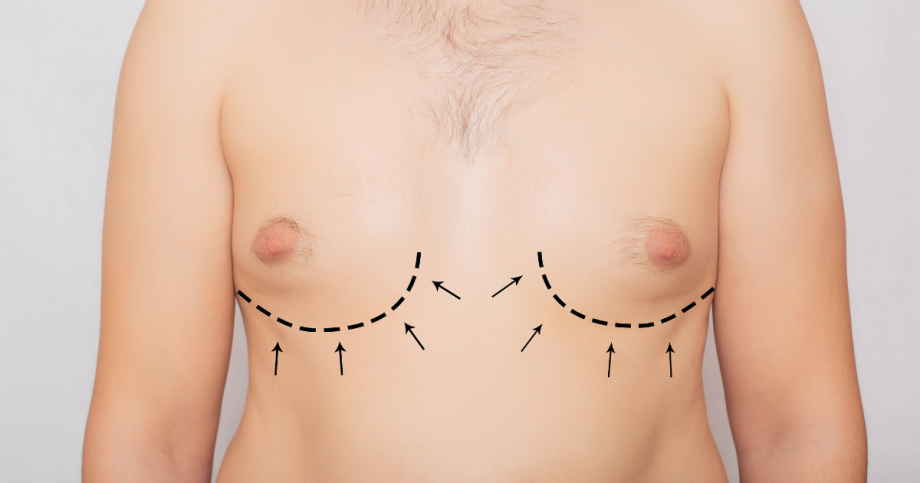
When non-surgical approaches are not enough, gynecomastia surgery offers a reliable solution. Also known as male breast reduction, this procedure removes excess glandular tissue and reshapes the chest for a more masculine contour.
What the Procedure Involves
Surgery may include:
- Removal of glandular breast tissue
- Liposuction to remove excess fat
- Contouring of the male breast
The approach depends on the severity of breast tissue growth and individual anatomy.
Recovery After Gynecomastia Surgery
Recovery is typically straightforward, but following post-operative instructions is key.
What to Expect
- Mild swelling and bruising in the treated area
- Compression garments to support healing
- Gradual return to normal activities
Most patients can return to light activity within a few days and resume full exercise within a few weeks.
Results from male breast reduction are long-lasting, especially when underlying causes, such as anabolic steroids or hormonal imbalances, are addressed.
When to Seek Treatment
Not every case of gynecomastia requires immediate treatment, but certain signs should not be ignored, especially if they persist or begin to affect your comfort or confidence. While some cases, like pubertal gynecomastia, may resolve over time, others can indicate an underlying issue that deserves medical attention.
You should consider evaluation if you notice:
- Persistent breast enlargement
- Tenderness or breast pain
- Changes in one or both breasts
- Emotional discomfort or self-consciousness
It’s also recommended to seek care if symptoms appear suddenly, worsen over time, or are accompanied by unusual changes in the male breast, such as firmness or asymmetry.
Early evaluation, including a thorough physical exam, helps rule out more serious conditions like male breast cancer or other forms of breast cancer. It also allows your provider to identify the cause and recommend the most appropriate treatment for gynecomastia, whether through monitoring, medical management, or surgical options.
FAQs About Gynecomastia
1) What is the main cause of gynecomastia?
The most common cause of gynecomastia is an imbalance between testosterone and estrogen, which leads to breast tissue growth in the male breast. Age, medications, or underlying health conditions can trigger this imbalance.
1) Will gynecomastia go away on its own?
In some cases, especially pubertal gynecomastia, the condition may resolve without treatment as hormone levels stabilize. However, long-standing cases involving glandular breast tissue are less likely to go away on their own.
2) How can you tell if it’s gynecomastia or fat?
A proper physical exam can help distinguish between true gynecomastia, which involves firm glandular tissue, and pseudogynecomastia, which is caused by fat accumulation. Imaging or additional testing may be recommended in some cases.
3) Is gynecomastia dangerous?
Most cases of gynecomastia are not dangerous. However, evaluation is recommended to rule out conditions like male breast cancer or other forms of breast cancer, especially if symptoms are unusual or persistent.
4) What medications can cause gynecomastia?
Certain medications are commonly associated with gynecomastia, including prostate cancer medicines, treatments like androgen deprivation therapy, and some drugs used for heart conditions or mental health. Substance use, including anabolic steroids and illegal drugs, can also contribute.
5) What is the most effective treatment for gynecomastia?
Treatment depends on the cause and severity. While lifestyle changes and medication adjustments may help in some cases, gynecomastia surgery (or male breast reduction) is the most reliable option for removing excess glandular breast tissue and achieving long-term results.
Personalized Gynecomastia Treatment at Naples Plastic Surgery
Living with gynecomastia can be frustrating, especially when changes in the male breast don’t respond to diet or exercise. The right treatment starts with understanding the cause, whether it’s excess glandular breast tissue, hormonal imbalance, or another underlying factor, and building a plan around your specific goals.
At Naples Plastic Surgery, care is centered on a detailed evaluation that includes a thorough physical exam and a discussion of your symptoms, medical history, and concerns. When appropriate, treatment may involve advanced surgical options such as gynecomastia surgery, designed to remove excess tissue and restore a flatter, more masculine chest contour. Our team, led by approaches every decision with the goal of matching your anatomy and delivering natural-looking results.
If you’re ready to treat gynecomastia in Naples, FL, book your consultation today.


 239-566-2611