
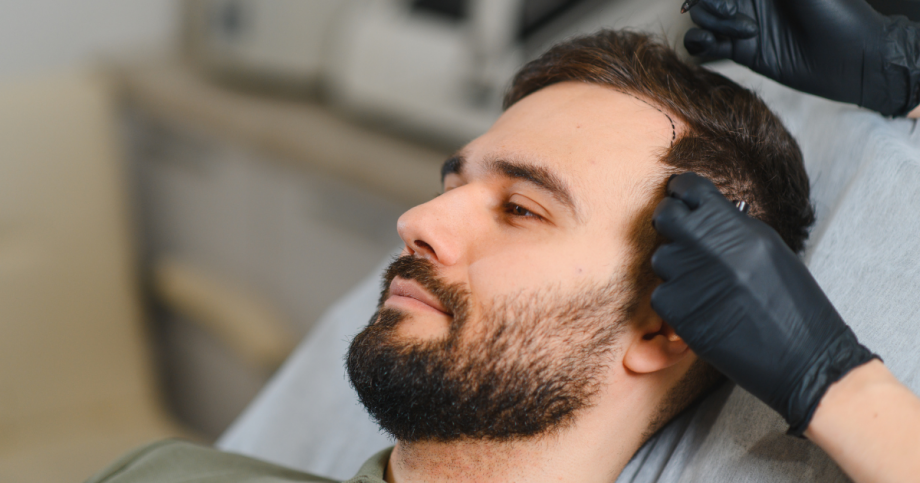
Hair Restoration in Naples, FL: What to Know Before Considering Treatment
Key Takeaways
- Hair loss and hair thinning can affect both men and women for many reasons.
- Hair restoration in Naples includes both surgical and non-surgical treatment options.
- FUE hair transplant procedures offer natural-looking results with minimal scarring.
- Injections and other treatments may help support hair growth and regrowth.
- Eyebrow restoration can help restore fuller, natural brows.
- A personalized consultation helps determine the right treatment plan for your goals.
Hair loss can feel personal, frustrating, and surprisingly emotional.
Whether you have started noticing thinning hair around your hairline, a widening part, bald patches, or a receding hairline that seems more noticeable in photos, you are not alone. This is especially true as you age beyond 65, according to the National Council on Aging.
Men and women throughout Naples, Fort Myers, Bonita Springs, Cape Coral, Marco Island, and surrounding Southwest Florida communities research hair restoration every year in hopes of finding natural-looking results that fit their lifestyle and aesthetic goals.
The good news is that modern hair restoration treatment options have evolved significantly over the last several years. Today’s advanced techniques focus on restoring natural hair growth while preserving scalp health, improving hair density, and helping patients feel more confident throughout the entire process.
Whether you are just starting to explore your options or already considering a hair transplant procedure, understanding the different types of hair restoration treatments can help you make a more informed decision.
Below, we break down common causes of hair loss, available treatment options, and what patients can expect during the hair restoration process.
Understanding Hair Loss and Thinning Hair
Hair loss can happen gradually or suddenly. Some patients notice increased shedding in the shower, while others realize their hairline has shifted over time or that thinning around the scalp has become more visible under certain lighting.
Male pattern baldness (MPB) remains one of the most common causes of hair loss in male patients. In fact, the American Hair Loss Association states that MBP is responsible for over 95% of hair loss in men. Additionally, by the age of 35, two-thirds of American men will experience some degree of noticeable hair loss.
Women also experience hair thinning and alopecia for many different reasons. Hair loss caused by stress, hormonal changes, genetics, medications, autoimmune conditions like alopecia areata, or changes in overall health may all affect the hair growth cycle.
Because hair follicles naturally cycle through growth, shedding, and regrowth phases, disruptions to this process can lead to visible thinning, reduced hair density, or bald patches across the scalp.
Working with a hair restoration specialist helps patients better understand why hair loss is occurring and which treatment options may best support natural regrowth.
Hair Restoration in Naples: Exploring Your Options
Patients searching for hair restoration services in Naples, FL, quickly discover that there is no one-size-fits-all solution. Different patients have different aesthetic goals, hair types, scalp conditions, and levels of thinning.
At Naples Plastic Surgery, our team focuses on creating hair restoration treatment plans based on each patient’s specific needs, overall health, and desired outcome.
Follicular Unit Extraction (FUE)
Follicular unit extraction is one of the most requested hair transplant options today. During an FUE procedure, individual hair follicles are carefully removed from the donor area and transplanted into the balding area or thinning sections of the scalp.
Because the follicles are extracted individually rather than through a long incision, the FUE procedure avoids the prominent linear scar commonly associated with older techniques. Patients also appreciate the minimal recovery time and natural-looking results associated with modern follicular unit extraction.
This hair transplant procedure is commonly recommended for patients who want to restore a receding hairline, fill in thinning areas, or improve hair density without significantly altering the natural appearance of their hair.
Strip Harvesting Hair Transplant Procedures
In some cases, strip harvesting may still be an appropriate hair restoration surgery option. During this procedure, a thin strip of scalp containing healthy hair follicles is removed from the donor area and carefully separated into grafts for transplantation.
While this technique may leave a linear scar, it can allow surgeons to transplant a large number of follicles during a single procedure. Some patients with more extensive hair loss or larger balding areas may benefit from this approach.
Our hair restoration specialist, Dr. Michael Wisiorek can explain the differences between FUE and strip harvesting during your first consultation and help determine which procedure aligns with your goals.
Hair Growth Injections and Regrowth Support
Not all hair restoration treatment plans require surgery. Certain injections and regenerative treatments may help promote hair growth by supporting scalp health and stimulating dormant follicles.
Some treatments use components from the patient’s own blood to support natural regrowth and healthier hair follicles. These options may be recommended for patients in the early stages of hair thinning or as additional procedures to be combined with hair transplant surgery.
Because hair growth happens gradually, patients should understand that regrowth is a process rather than an overnight transformation. The team works closely with patients throughout the journey to track progress and support long-term results.
What Happens During the Hair Restoration Process?
The hair restoration process starts with a detailed consultation with Dr. Wisiorek. During this appointment he evaluates the scalp, donor area, hairline, hair growth patterns, and overall scalp health.
Patients also discuss:
- Their hair loss concerns
- Desired hairline shape
- Previous treatments
- Medical history
- Aesthetic goals
- Long-term expectations
If surgery is recommended, most hair transplant procedures are performed under local anesthesia to help patients remain comfortable throughout.
Depending on the number of follicles transplanted and the types of treatments combined, the process may take several hours. Some advanced systems also use pneumatic pressure technology to assist with follicle handling and graft placement.
The team provides detailed aftercare instructions designed to support healing, protect transplanted hair follicles, and encourage healthy regrowth.
What Makes Modern Hair Restoration Different?
Today’s hair restoration surgery techniques focus heavily on creating natural-looking results that blend seamlessly with existing hair. Instead of producing the unnatural appearance associated with older hair transplant methods, modern procedures prioritize natural hair placement, softer hairline transitions, and long-term growth patterns.
Advanced techniques also help:
- Preserve existing hair follicles
- Reduce visible scarring
- Support healthier scalp conditions
- Improve hair density gradually
- Restore confidence naturally
- Create results that fit the patient’s facial structure
Patients throughout Fort Myers, Bonita Springs, Cape Coral, Marco Island, and nearby Southwest Florida communities are increasingly choosing hair restoration because the results now look more refined and personalized than ever before.
Who May Be a Candidate for Hair Restoration?
Many patients experiencing thinning, hair loss, alopecia, or changes in their hairline may qualify for treatment. Both women and male patients seek hair restoration for different reasons and at different stages of hair thinning.
Candidates may include people experiencing:
- Male pattern baldness
- Receding hairline changes
- Bald patches
- Diffuse thinning
- Hair loss caused by genetics or stress
- Eyebrow thinning
- Hair thinning after pregnancy or hormonal shifts
- Alopecia areata
- Reduced hair density over time
A consultation with a board-certified plastic surgeon or hair restoration specialist helps determine whether surgical or non-surgical treatment options are most appropriate.
Choosing a Hair Restoration Specialist in Naples, Florida
At Naples Plastic Surgery, our patients receive great care from renowned Dr. Wisiorek focused on helping you feel informed, comfortable, and supported throughout their hair restoration journey.
From the first consultation through the final stages of regrowth, the goal is to help patients restore natural hair while creating results that align with their confidence, appearance, and lifestyle goals.
Considering Hair Restoration in Naples, FL?
If you are starting to notice thinning hair, changes to your hairline, or visible hair loss, exploring treatment early may help preserve existing follicles and support better long-term outcomes.
Naples Plastic Surgery offers hair restoration treatment options for patients throughout Naples, Fort Myers, Bonita Springs, Cape Coral, Marco Island, and Southwest Florida. Whether you are interested in a hair transplant, eyebrow restoration, injections to promote hair growth, or learning more about the hair restoration process, our experienced team is here to help guide you toward the right next step.
Book your first consultation today with Dr. Wisiorek.
Frequently Asked Questions About Hair Restoration in Naples, FL
What causes hair loss and thinning hair?
Hair loss can happen for many reasons, including genetics, stress, hormonal changes, aging, medical conditions, and certain medications. Both men and women may experience hair thinning, bald patches, or changes in the hairline over time.
What is the difference between FUE and strip harvesting?
Follicular unit extraction (FUE) removes individual hair follicles from the donor area, which helps avoid a large linear scar. Strip harvesting removes a strip of scalp to collect follicles and may be recommended for patients who need larger areas of coverage.
How long does hair transplant recovery take?
Most patients return to normal daily activities within a few days after a hair transplant procedure. Mild redness or tenderness around the scalp is common during the early healing process.
When will I see hair growth results?
Hair regrowth takes time. Many patients begin noticing new hair growth within several months, with continued improvement over the following year as the hair growth cycle progresses.
Are hair restoration treatments only for men?
No. Women also seek hair restoration treatment for thinning hair, hair loss, eyebrow thinning, and alopecia. Treatment plans are customized based on each patient’s specific needs and aesthetic goals.
Do hair restoration results look natural?
Modern hair restoration techniques focus on creating natural-looking results by carefully placing follicles to match your existing hair growth pattern, hairline, and overall appearance.
Can injections help promote hair growth?
Certain injections and regenerative treatments may help support scalp health and stimulate hair follicles, encouraging natural regrowth. These treatments are sometimes used alongside hair transplant procedures or as standalone options.
Am I a candidate for hair restoration in Naples?
Patients experiencing hair loss, thinning, a receding hairline, or bald patches may be candidates for treatment. A consultation with a hair restoration specialist can help determine the best approach for your hair restoration journey.


 239-566-2611